
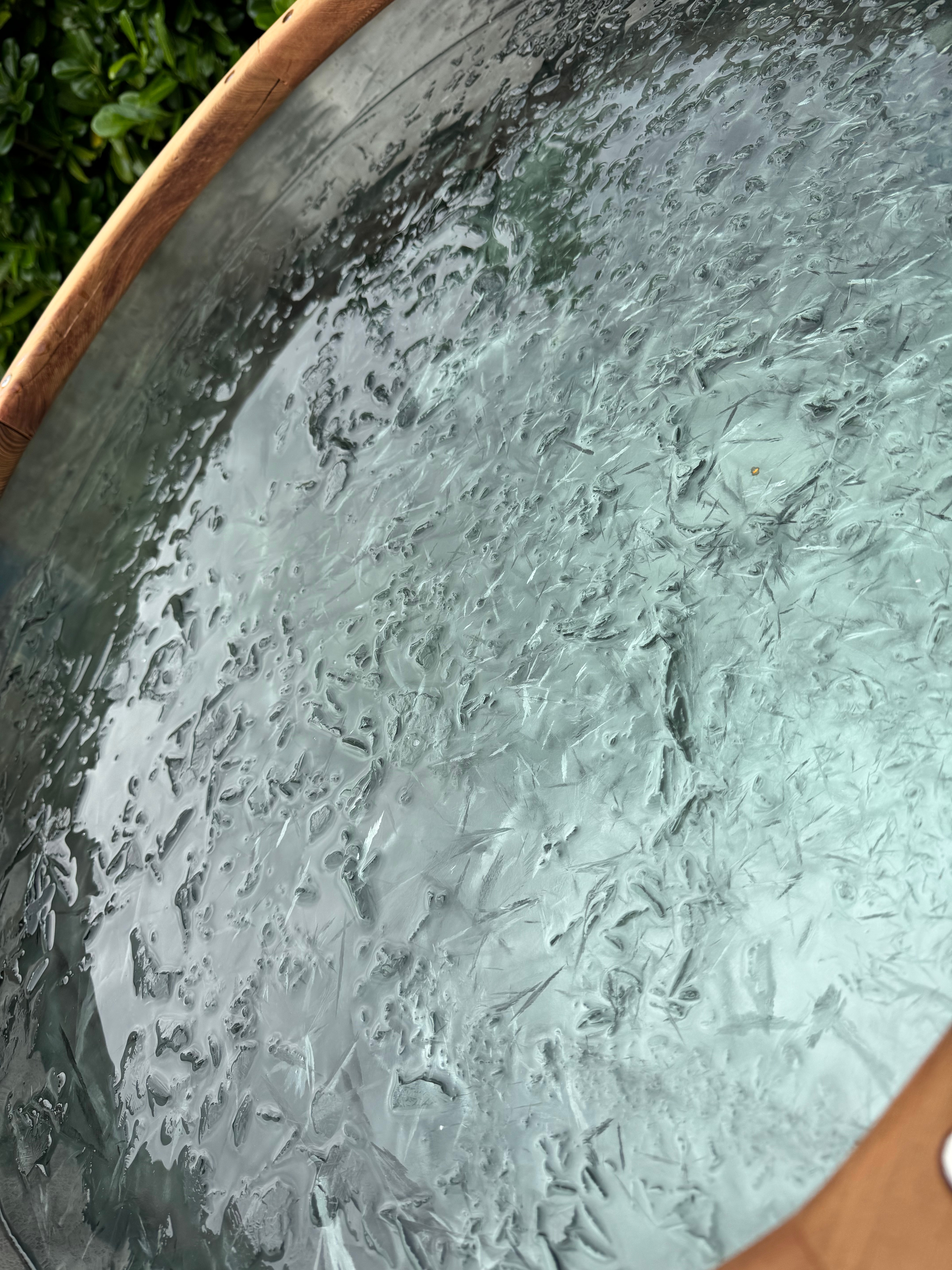
A short cold plunge can trigger a measurable spike in norepinephrine and dopamine —brain chemicals for focus and motivation—
which can stay elevated for hours, giving many people a calm, energised “post-plunge” high.
Contrast Therapy using Water
.
Heat
Heat—whether from a hot tub, sauna, or warm bath—helps you relax and recover by gently increasing blood flow (vasodilation), which delivers oxygen and nutrients to tired muscles while clearing metabolic byproducts that contribute to soreness. The warmth eases muscle tension
Ice
Ice (or cold water) helps you relax and recover by quickly reducing inflammation and swelling through vasoconstriction, lowering tissue metabolic demand, and slowing nerve conduction, so pain feels duller and muscles can release tension.
A short cold exposure also triggers a healthy surge of norepinephrine that lifts mood and focus, followed by a calming rebound that many people experience as deep relaxation.
For training recovery, brief plunges can reduce soreness and help you bounce back sooner—especially when used a few hours after heavy strength work or paired with gentle movement to re-warm. If you’re new to cold, start short and comfortable, breathe steadily, and avoid it if you have medical contraindications.
Reviews

Brad, Recovery.
“Brilliant service! I brought two ice baths for our recovery retreat which greatly enhanced our clients experience, helping them to recover effectively and feel rejuvenated. Your support is truly appreciated!”
Gemma, YCS.
“Fast, friendly, and faultless. The engineer fixed our hot tub on the first visit and we avoided any downtime. Couldn’t ask for better service.”